Sunday, February 25, 2024

CHANGEMAKER OF THE MONTH: WHO IS CHARLES VORWALLER?


Written by: Lennard Goetze, Ed.D
An Interview with CHARLES VORWALLER 
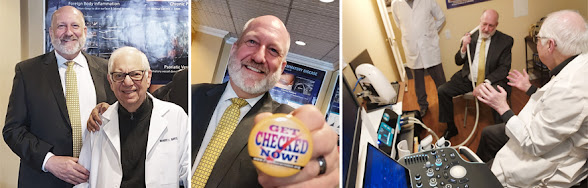
Since 2021, I collaborated on a publishing project with Dr. Robert L. Bard (diagnostic imaging specialist) to conduct a tech performance review about AxioBionics wearable therapeutic device.  This was the impetus to our advocacy group and educational initiative aptly called HEALTH TECH REPORTER whose goals are to seek out and test drive the latest in non-invasive therapeutic solutions and publish reports on the validity of their claims and health advantages.  


In early 2023, we launched an event series called HEALTH TECH DEMO DAY in Dr. Bard's diagnostic imaging practice in NYC. This became the central ground for hosting manufacturers showcase of their latest devices where they provide actual case demonstrations directly to our reporters and Dr. Bard's patients.

Our 2023 search brought us together with a remarkable advancement in red light therapy by a company called Aspen Laser (See event report on March 7, 2023) where a Demo Day with their rep was a great success. Shortly after the event, a heartfelt thanks and congratulatory letter was sent to CEO and founder Mr. Charles Vorwaller for a fantastic product.  A stunning surprise was granted us directly by Mr. Vorwaller who immediately booked a flight to NYC to see us. With a growing set of clues about the strength behind this company (and their truly fearless leader), his energy and enthusiasm to connect aligned with the INC5000 list of fastest growing privately owned companies in 2020. Headlines reported Aspen Laser was the only medical laser company on the list. In 202I, it received a five-year GSA contract to sell to VA hospitals. [1]

Setting the industry standard, the TheraLight 360 uses patent pending technologies that ensure tissue saturation regardless of skin color or body type.  He brought major spotlight to the scientific term (and treatment modality) "Photobiomodulation Therapy"  - the application of Red and Near Infrared light to tissue that is injured, sick or degenerating to increase circulation, increase cellular energy production, reduce inflammation and reduce Oxidative Stress. His original vision that began in 1988 over 35 years ago was to redefine Pain Management and Recovery that resulted in the startup in 2014 for a new company called ASPEN LASER.  It grew to become a leading edge nonpharmacologic technology and research based products that make a difference in the lives of individuals (including animals) suffering from pain and injury.  Mr. Vorwaller's initial focus to accomplish this was through innovative development and breakthrough advancement with lasers providing High Intensity Laser Therapy, incorporating technologies with multiple power levels, multiple wavelengths and multiple operating modes.

We had the distinct pleasure of collaborating with Mr. Vorwaller at Dr. Bard's "MedTech Research Lab".  We also enjoyed sharing Dr. Bard's arsenal of diagnostic imaging devices used for clinically validating biometric response as part of our Medtech device testing.

We found the exchange with Mr. Vorwaller to be both highly educational and inspiring for our continued research work.  He mentioned feeling right at home in deep discussions about exploring the future of therapeutics - aligning with his first passion as a "Technology Tinkerer'.  Dr. Bard and I gained so much from his generosity by the way of endless notes on laser and light technology as well as a front row seat to the entire medical device industry.  With decades of relentless R&D on expanding therapeutic light penetration and engineering, Charles was not shy to describe his process.  

In addition, he also shared impressive insight about other non-invasive cell-regenerative modalities including PEMF, SHOCKWAVE, RT THERAPY, NEUROSTIMULATION, TRANSILLUMINATION and BIOFEEDBACK (to name but a few).  He claimed this is all part of his "required reading" as part of identifying the entire pain-healing science.  As an inventor, he also looks at the many potential integration opportunities or "stacking" of existing technologies to form the next generation of products.

"Since our company began, our focus has been on developing leading-edge technology in laser therapy," said Mr. Vorwaller. "Our medical lasers represent a number of technological developments that are significantly different than other lasers and light therapy products in the market... which we found to not be very effective".  The result of his passion and never-ending pursuit for optimal outcomes has resulted in products delivering new treatment options providing higher dosages, more treatment areas and overall faster treatment times and accelerated healing and recovery. 


HUMBLE BEGINNINGS INSPIRED BY HIS GREATEST HERO
In an exclusive interview with Mr. Vorwaller, he shared a candid look at where it all began for him. The roots to all of his work was heavily inspired by his Dad (Charles J. Vorwaller, LCSW), a 60+ year veteran and recognized visionary leader in the non profit mental health industry.
 
As a young boy, Charles witnessed firsthand the individuals that were undergoing treatment.  They were sufferers of mental diseases and all the challenges that come from that.  
He witnessed his father develop and pursue forward thinking strategies and programs including therapeutic treatments and modalities beyond the traditional and limited drug-focused programs and protocols, with the incorporation of newer standards, including non-pharmaceutical and non-invasive based treatments and interventions. This humbled him greatly to see that his dad explored all options to help the sufferers when no one could help them.  Charles grew up wanting to help the underserved and built this road in health technology.  Looking back, Charles Vorwaller is convinced that his laser and red light therapy innovations contributed to mobilizing the science of patient care and impacted others by offering improved quality of life and in some cases, giving people a new chance at life." 

References: 

Special thanks to ASPEN LASER and THERALIGHT for allowing us to interview CEO Charles Vorwaller - tech innovator and role model to the global community of entrepreneurs! Innovators of today's therapeutic technology are a rare and respected breed.  Their life's work is dedicated to offering improved change to the current trends by exploring and introducing safer and more effective ways to resolve health issues both large and small.  The success of their work adds to the definition of the future of functional and regenerative medicine. In search of these pathfinders, IPHA celebrates some of the top role models of our day!   These solutionists are the next modelers of the non-invasive movement in integrative healthcare. One such visionary is Mr. CHARLES VORWALLER, American Health Innovator and the brainsmith behind Aspen Laser and the Theralight series.


In our continued search for the next voice in support of Integrative and Functional wellness, our editors opted to follow the trail of innovative (or "alternative") healing technologies to the doorsteps of those who truly believe in their benefits.  In this case, an early report featuring Dr. Jennifer Stagg and her use of the THERALIGHT 360 prompted us to meet other therapists to get more insight in its clinical uses.

VISIONARY SPOTLIGHT: Dr. Scott Schaeffer (Mt. Kisco, NY)
His treatment approach, in addition to spinal manipulation includes a wide array of modalities and physiotherapy. In our discussion about the Theralight 360 device (and other near-infrared technologies), we covered his holistic and integrative approach to bringing full-body wellness to his patients. Dr. Schaeffer identified his commitment to researching for the latest proven innovations to address soft-tissue injuries, musculoskeletal dysfunction and other inflammatory conditions that his patients commonly present with. "There's so much out there", he started. Learning about these new healing concepts, "whatever I can use within my scope of practice to help people safely and 
non-invasively... I'm going to find it!"  (Visit Dr. Schaeffer's full feature)


FROM THE BRAIN HEALTH COLLABORATIVE

11/18/2022- RED LIGHT THERAPY FOR TBI (By: Jennifer Stagg, ND) Within the past decade, ads for Red Light Therapy (RLT) devices have exponentially appeared in the health, wellness and commercial markets- drawing significant attention to their claims and challenging their efficacy.  As with all technologies, many variables are to be considered as far as concluding on their proposed health benefits. Published reports from clinical (valid) studies detailing the utility of RLT in human health.  Encouraging reviews indicate that there is a growing body of evidence for the use of RLT in traumatic brain injury (TBI) and neurodegenerative processes, including Stroke and Parkinson’s disease. 


PHILOSOPHY BEHIND RED LASER THERAPY
Photobiomodulation is what we're actually doing when we look at red and near infrared light.  (it’s different from far infrared-that's a sauna creating deep heating in the tissue and sweating out toxins). Photobiomodulation is the application of red and near infrared light to tissue where there is disease or dysfunction.  The mechanism of action of light is very simple. It doesn't treat any specific disease or diagnosis, but it treats the underlying cause of all dysfunction in the body (all disease) and that is cellular health and wellness.

Within the cell, oxygen is supposed to flow into the mitochondria, which is the powerhouse of the cell, and that's supposed to produce adenosine triphosphate or ATP.  This is what every cell in the body uses for energy.  Due to exposure to via environmental toxins, lack of sleep, stress, injury and disease, lack of exercise, too much exercise, not enough sunlight, poor nutrition etc. oxygen flows in the cell and then it's bound by nitric oxide. That binding of nitric oxide with oxygen forms a deadly particle called a free radical.  This causes two problems: #1- that oxygen is now not free to go into the mitochondria- so our ATP production in the body drops.  #2- there's the abundance of free radicals is the root of every disease. It's the gene expression for things like cancer, heart disease and diabetes.  So what light does very simply is when we shine light in and we can get light into the cell at the right wavelength, dosage and power density, it simply unbinds the oxygen particle and the nitric oxide particle and the free radical is dissipated into the blood vessel walls. So now we have removed free radicals and inflammation inside the cell. Also, the oxygen respiratory chain starts up again and that oxygen particle is allowed to flow into the mitochondria, and the ATP now goes through the roof and rises again the body. 

#     #     #


RELATED ARTICLES

RED LIGHT THERAPY FOR TBI: by Dr. Jennifer Stagg
’Infrared’ refers to a type of light that is below the spectrum of visible light. The naked eye cannot see this type of light. Light is measured in wavelengths, and to further define infrared, there are near infrared (NIR) and far infrared (FIR) wavelengths. FIR is what is typically found in many of the devices sold to the general public like infrared blankets and saunas. (Although, saunas, combine heat with light so the effects of FIR are not comparable.) FIR offers some mild effects, but it doesn’t penetrate the body as much as NIR. As a result, most clinical research published to date is on visible red/NIR because these have been shown to be more effective. (See full review)


DEMO DAY WITH ASPEN LASER - PHOTOBIOMODULATION THERAPY
: IPHA NEWS and HEALTH TECH REPORTER covers DEMO DAY at the Bard Diagnostic Imaging Center in NYC @ March 7, 2023.  National clinical trainer Mark Murdoch speaks in an interview about the Aspen Laser  technology while he treats registered patients suffering from various chronic disorders (including a rotator cuff tear & other MSK joint injuries,  psoriatic arthritis and psoriasis on the skin. (See full review)


Check out our sponsor


=


3D DOPPLER ULTRASOUND: A MAJOR ASSET TO RESEARCH 
From simple case studies to double blind clinical trials, the many benefits of non-invasive imaging offers  visual proof of treatment efficacy.  Ultrasound in particular is more widely used to collect a patient's biometric data safely and efficiently, thanks to its vastly improved quantitative reporting capacity. 

Under exploratory device tech reviews, this video shows the effects of electromagnetic pulse waves neurostimulat stimulation and the induction of cold laser on the body are just some of the noninvasive modalities that are easily monitored with an ultrasound scan. In the case of electromagnetic devices, the involuntary muscle contraction is evidence of the electrical changes in the targeted muscle developers of this technology continue to find new evidence, supporting its ability to recover the body's process through cellular regeneration on a preliminary study, quantitative measurement that the regenerative timeline through the use of a neurostimulator through a simple before and after comparison can easily show the body's reaction to the therapeutic device. 


RELATED STORIES:

THE SCIENCE OF ENERGY HEALING & THE BIOFIELD -

Everything is energy. Quantum physics has demonstrated that everything exists as a vibrational energy. Some forms of energy have a frequency low enough to make the object solid and therefore visible and physically tangible, such as concrete, trees, mountains, and the human body. Others, such as sound, light, heat and gravity are invisible – but they are no less real. The Biofield is a relatively new term developed in 1992 to describe the concept of energy in a more unified way, integrating knowledge gained from traditional practices with that of modern science.  Three of the main scientific principles underlying our current understanding of the Biofield energy are thermodynamics, physics and quantum physics.  (See complete feature article)

"GETTING MY LIFE BACK FROM CHRONIC FATIGUE SYNDROME"  2/15/2022- Mrs. Suzanne Wheeler of Minneapolis, Minnesota is celebrated as IPHA NEWS' Researcher of the Month.  After years of suffering a life-altering disorder that currently continues to challenge the scientific community of its root causes, Mrs. Wheeler explored “outside the conventional box” of opioid prescriptions, uncovering alternative solutions that got her back on her feet and joining life again.  Invoking CHANGE against all odds by diligently searching for what’s beyond the convenient takes courage and conviction.  It is this level of academic strength and strategic leadership that comprises the Alternative Health and Wellness community. (see full feature on Mrs. Wheeler's PEMF review)


BRAIN HEALTH REVIEW [Part 3]:
POST-COVID BRAIN FOG & WORK PERFORMANCE
Written by: Marilyn Abrahamson, MA,CCC-SLP - CBHC

For some, Post-Covid brain fog can cause everyday cognitive tasks to be more difficult, causing the thought of returning to work to become daunting. Among the many symptoms of Long Covid, one study suggests that up to 80% of Covid-19 survivors suffer from neuropsychological symptoms such as memory impairment, attention deficit, executive dysfunction, difficulty with word finding, multitasking, and impaired visual/spatial skills. These are skills people need to properly perform their jobs, and without these skills, people can become overwhelmed by the smallest tasks.


CONTRIBUTORS

MARILYN ABRAHAMSON, MA, CCC-SLP : As a Brain Health Education Specialist at Ceresti Health, Marilyn offers initiatives that supports education and empowerment of family caregivers. She also writes for and edits the Ceresti’s monthly newsletter and produces all brain health education and brain-health coaching programs for caregivers.  Marilyn's prior work is as a NJ Licensed Speech-Language Pathologist since 1987 and is an Amen Clinics Certified Brain Health Coach.

SORAYA BEHZADI is an aspiring medical student and researcher in neurological studies focusing on holistic practice to help alleviate mental health, like generalized anxiety disorder. She received a bachelor's degree in clinical psychology with a minor in biological sciences from Hunter College. 
 Aside from being a medical assistant at local urgent cares, her current field placement under affiliations with the Integrative Pain Healers Alliance/Brain Health Collective fuels her interests in brain health initiatives from imaging to holistic perspectives.

ROBERTA KLINE, MD (Educational Dir. /Women's Diagnostic Group) is a board-certified ObGyn physician, Integrative Personalized Medicine expert, consultant, author, and educator whose mission is to change how we approach health and deliver healthcare. She helped to create the Integrative & Functional Medicine program for a family practice residency, has consulted with Sodexo to implement the first personalized nutrition menu for healthcare facilities, and serves as Education Director for several organizations including the Women’s Diagnostic Health Network, Mommies on a Mission. Learn more at https://robertaklinemd.com/


Copyright Notice: The materials provided on this website/web-based article are copyrighted and the intellectual property of the publishers/producers (The NY Cancer Resource Alliance/IntermediaWorx inc. and The AngioFoundation). It is provided publicly strictly for informational purposes within non-commercial use and not for purposes of resale, distribution, public display or performance. Unless otherwise indicated on this web based page, sharing, re-posting, re-publishing of this work is strictly prohibited without due permission from the publishers.  Also, certain content may be licensed from third-parties. The licenses for some of this Content may contain additional terms. When such Content licenses contain additional terms, we will make these terms available to you on those pages (which his incorporated herein by reference).The publishers/producers of this site and its contents such as videos, graphics, text, and other materials published are not intended to be a substitute for professional medical advice, diagnosis, or treatment. For any questions you may have regarding a medical condition, please always seek the advice of your physician or a qualified health provider. Do not postpone or disregard any professional medical advice over something you may have seen or read on this website. If you think you may have a medical emergency, call your doctor or 9-1-1 immediately.  This website does not support, endorse or recommend any specific products, tests, physicians, procedures, treatment opinions or other information that may be mentioned on this site. Referencing any content or information seen or published in this website or shared by other visitors of this website is solely at your own risk. The publishers/producers of this Internet web site reserves the right, at its sole discretion, to modify, disable access to, or discontinue, temporarily or permanently, all or any part of this Internet web site or any information contained thereon without liability or notice to you.

Tuesday, January 23, 2024

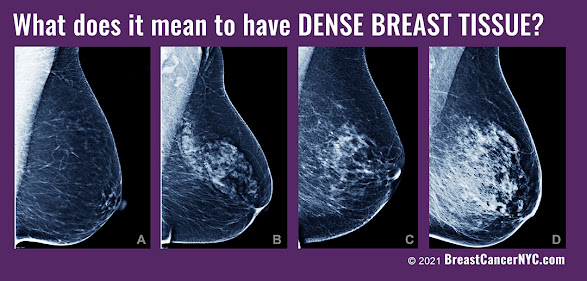
Epigenetic Research Notes: Profiling the Dense Breast Paradigm


A Clinical Report by: Dr. Roberta Kline


As an Ob-Gyn physician and genomics specialist, I have spent the better part of 10 years translating research in the genomic and gene expression areas into clinically usable information for healthcare professionals. One of the biggest challenges we face when connecting research with patient care is the long delay in the translation process and dissemination of the information. It often takes 10 to 20 years for information (validated findings) that comes out of research to be applied in clinical practice. These delays result in many lost opportunities to provide better care for our patients. This is one of the reasons why I'm really passionate about accelerating this process and making it easier for clinicians and their patients to take advantage of cutting-edge information and new technologies. 


ACADEMIC PREFLIGHT STUDY OF ULTRASOUND SCREENING APPLICATIONS FOR DENSE BREAST CASES

Transcript by: Noelle Cutter, Ph.D.
Edited by: Roberta Kline, MD and Lennard M. Goetze, Ed.D

We started working with the Terason 3200t Ultrasound (hereinafter shall be referred to as the Terason) in the summer of 2022. The goal of the project was to be able to scan a limited number of younger premenopausal women under the age of 40 who are more likely to have dense breasts based on their status as being endurance based athletes. We have been exclusively using the Terason based on the recommendation of our lead radiologist Dr. Robert Bard.  The Terason became our lab scanner of choice to conduct the screening of 10 individuals in the lab on a voluntary basis to get a readout for their breast density. Endurance athletes are more prone to dense breast tissue, especially athletes under the age of 40. Mammographic density is the strongest risk factor for non-familial breast cancer among women, especially those under the age of 40.   Metastasis, tumor relapse, and resistance to therapy remain the principal causes of death for breast cancer patients and the lack of effective therapies calls for an improved understanding of the molecular mechanisms driving breast cancer progression. Early identification of mammographic density is an essential step in preventative health.


REMOTE COLLABORATIVE TEAM
The Dense Breast paradigm continues to plague our population of the underdiagnosed and underserved women. uniting with public advocates and legislative change makers like the ARE YOU DENSE? FOUNDATION raises significant public awareness in both the clinical and patient communities (see news feature).  Meanwhile, this cohort study received great support from the medical research and diagnostic society whereby scientific leaders like Dr. Robert L. Bard (diagnostic imaging specialist) and Dr. Roberta Kline (epigenetics expert in women's health) helped to spearhead their own respective areas of study to help offer new insight and data in support of the launch of this field research program.


DENSE BREAST CASES
We assembled 10 volunteers for our initial review. These subjects were all selected from the triathlete community who recently either participated in the full distance 140.6 Ironman or the half distance 70.3 Ironman in 2022.  From Molloy University (base 1 of our research), I recruited from our student population who also worked in the lab- as well as from my professional contacts in the endurance world. 

To note, out of our select volunteers, three have been clinically diagnosed with breast cancer within the last five years. I would say that out of the two women who had cancer, both had dense breasts, and both were Ironman athletes under the age of 40 when they were diagnosed. They're both over the age of 40 now. So, they knew that already going into our scanning. I am glad to also report that both cases remain in remission.  Noting these cases, we did not consider using them as a control by any means, only that this is part of the data that we are collecting as additional considerations that relate to our survey for tissue density, as a means of comparison. 

The other eight subjects were young women all under the age of 35- and none of them had any idea about breast density. They've never had any breast screenings in their life besides self-breast examinations- hence, they had no idea about density. Furthermore, they had no idea of how mammographic density is really one of the strongest risk factors for non-familial breast cancer among women and especially among younger women. Undergoing our 'simple' screening session gave them the beginnings of a sense of personal ownership and advocacy about their health.  Perhaps this experience (for them) could lead to proactive steps that they need to take- the next time they visit with either their OBGYN or their general physician. They now have an idea about the types of tests to request to be proactive about their health They also have some clarity about mammographic density in their breasts. 

PORTABLE, HOSPITAL GRADE AND FIELD FRIENDLY
My technicians and I found the Terason to be "super portable" and upon scanning our first few subjects, we immediately understood why Dr. Bard suggested this brand and model. The picture quality and imaging system is very clear and the user interface is very easy to read. For someone who is not experienced or well trained in using an ultrasound, with one or two training sessions I was able to easily use the machine to work with our volunteer subjects. 

An underlying test is the feasibility of using the Terason itself in actual field work. The portability is astounding (to me). This means we can pack it up. I don't even need any sort of a car. I could throw it on my back and get on a bicycle and bring it to a, uh, a destination.  As far as its' performance, my group and I did our own homework about its accuracy and reliability and what we often found was the common statement about it being "battle-tested"- in the EMS world). Targeting the triathlete community, all these features are critical advantages to roadside screening! It's easy to use and even easier to train other research assistants in the lab to use it. And with Dr. Bard (and his expert interpretation) on the receiving end of our scans, that is the ultimate peace of mind and a COMPLETE tele-health scanning paradigm. 


To note, our research concept focused on using the ultrasound because it is completely safe and effective at scanning for (something like) image breast density. Particularly for our research, it's portable in the field, so we can bring it to the race locations. I can bring it into the lab, I can bring it into my office. I can really package it up in a small briefcase sized bag, and it can come with me and travel with me anywhere I need to go. 


REMOTE ULTRASOUND TRAINER
Working with Mike (Terason virtual trainer) was surprisingly easy, and he thoroughly guided me over the phone and via the device itself which is also a computer. He gave us such a comprehensive tour on all of the different probes but of course, we were focused on the one (L20) probe that was suited for of screening of breast density.  We found the device itself to cover the most common demands of a hospital-grade or field-grade ultrasound including the ability to capture measurements of critical data like blood flow and density. Recalling my initial training session with Dr. Bard (at his office) aligned with everything because as a field/remote ultrasound tech, I am literally capturing all images for him (our in-house radiologist).  This Terason model truly enables this remote scanning paradigm between the field screening tech in communication with the central radiologist- making for a truly ideal and real time professional collaboration!   

VITAL RESEARCH IN SUPPORT OF EARLY DETECTION
I believe that because our focus was on women with dense breasts and the fact that this issue is now showing escalating rates, the urgency for this project also aligns with an increased likelihood of developing cancer within their lifetime. We also know that women, especially pre-menopausal women, are often not sent for imaging unless they have a family history. But we know only about five to 10% of breast cancers occur because of an inherited or genetic variant. So the likelihood that we're missing a lot of women (especially young women) who may have an early stage of breast cancer is the big concern. 

This project was developed out of the need for a safe, effective, and affordable screening alternative. We wanted to explore and possibly attest to the higher benefits of this modern (and field-friendly) alternative vs. the existing "gold standards" which are far more inaccessible, expensive and potentially invasive- as far contrast or radiation. I appreciate my understanding of ultrasound as a fully safe and effective imaging modality - and one that we can use and easily can be accessed in any physician's office or anywhere else. 

After our dedicated training course, the roll-out to being a stage 1 ultrasound technician was very comfortable and truly supportive of our goals about ultrasound as the path to the future and "the better way".

As far as goals, our main objectives are (of course) advocacy and to identify women younger using a more safe and effective screening method. Another goal that we found of great interest in enabling ACCESS to women have dense breasts; we wanted to explore ways that we can get them screened sooner. We can have them checked out to make sure that there are no early cancers that are being missed through other tools and techniques that we can use. In addition to this, we can start looking at how density correlates to cancer. Our early studies indicate that many of the pathways enriched in patients with higher mammographic density are targetable, raising the possibility of developing prevention strategies for mitigating density-associated breast cancer risk. We hope to further elucidate those molecular changes and those genetic signatures that may be common in women with dense breasts. Our overall goal is to increase survivability and offer targetable outcomes for the patient. 


Friday, December 22, 2023

2023 BOOK LAUNCH


2023 BOOK LAUNCH: "IMAGE GUIDED AESTHETIC PROCEDURES & TREATMENTS"

A MAJOR CAST OF CLINICAL AESTHETICS LEADERS IN ONE COLLABORATIVE TEXT!

Meet BETH HANEY, DNP- one of the recognized industry achievers assembled in this aesthetics collaborative and an honored literary contributor of the recently published IMAGE GUIDED AESTHETICS PROCEDURES textbook by Springer Medical Publishing.  Dr. Haney authored a comprehensive study on (Ch4) "FACIAL REJUVENATION AND NON-SURGICAL PROCEDURES" and also co-wrote a remarkable analysis (Ch6) called "FACIAL DANGER ZONES IN AESETHETICS" with Dr. Michelle Zappas.    Dr. Haney is currently faculty at USC teaching health policy, a former Assistant Clinical Professor at UCI, is a member of the American Association for Nurse Practitioners Health Policy Committee, the Southern California AANP state liaison, and served as Chair of the 2022 and 2023 AANP Health Policy Conference. She founded the Luxe Aesthetic Center in Yorba Linda, CA- a high-profile medspa offering professional aesthetic products and treatments catering to private individuals & celebrity clients. Dr. Haney is currently Mayor Pro-Tem and former Mayor (2020) of Yorba Linda, doctor of nursing practice & a nationally certified family nurse practitioner specializing in cosmetic dermatology treatments, business and leadership, & policy.


IMAGE GUIDED AESETHETIC PROCEDURES: TEXTBOOK LAUNCH


10/21/2023 - After two years in the making, we congratulate Dr. Robert Bard and his alliance of clinical experts for the launch of "IMAGE GUIDED AESTHETIC PROCEDURES & TREATMENTS".  Springer Medical Publishing proudly presents the first installment in clinical aesthetic procedures. This detailed and up-to-date overview of image-guided procedures focuses on the many aesthetic and reconstructive strategies delivered by some of today's renowned leaders in the clinical aesthetics community. They share their valuable expertise and field-based findings throughout this feature-rich textbook. The wide list of audiences for this text (ie. dermatologists, plastic surgeons, aestheticians, general surgeons) will enjoy an insider's look at each treatment program while providing remarkable field-based knowledge for the general non-medical audience seeking the latest information in non-invasive and minimally invasive aesthetic procedures. 

Produced and edited by Dr. Robert L. Bard, (NYC based cancer diagnostic imaging specialist) this collective project showcases the most highly sought-after cosmetic treatments in each priceless chapter- through detailed breakdowns, experiential insights and a generous graphic tour of before and after progress visuals.  Thanks to the additional safety benefits of clinical imaging, our treatment professionals express added confidence in the pre-operative and post-op areas. In addition, many aesthetics procedures noted also brings significant advantages (of accuracy and efficiency) to the actual treatment process from real-time image guidance. 


AUTHOR LIST (alphabetical)

• Arun K. Garg, DMD
• Beth Haney, DNP
• Cameron Christiansen, BS
• Cameron Rokhsar, MD
• Cari Green, MD
• Elie M. Ferneini, MD
• Gabriel Borden
• January Howard

• John Catanzaro, MD
• Lennard Gettz, EdD
• Lio Yu, MD
• Lucian Fodor MD
• Mairead Moloney
• Marc J.Saltzman, MD
• Mary Nielsen
• Michelle Zappas, DNP

• Noelle Cutter, PhD
• Paul Dreschnack, MD
• Peter A. Everts PhD
• Randall L. Weisel DDS
• Richard Kushner, DPM
• Robert L. Bard, MD
• Samuila Sergiu, MD
• Stephen Chagares, MD


Excerpt from CHAPTER 1: INDUSTRY REVIEW OF THE AESTHETIC INDUSTRY  By: January Howard & Lennard M. Gettz, Ed.D 

Abstract
The history of cosmetics is reviewed with technologies unfolding less invasive options and more functional solutions involving nutraceutical supplementation with natural resources. Minimally invasive options are documented as is the adaptation of therapy to the Covid-19 pandemic. This chapter dives into the positive and negative implications of aesthetic procedures and how minimally invasive tactics could help advance all procedures focusing on the sake of performance, safety, and longevity 


Introduction
Conducting an industry review on the current state of the aesthetic industry would be incomplete without shedding a spotlight on social outlook and how it drives consumer activity trends. All aesthetic procedures are promoted to enhance one's overall look and public appeal and are often theorized to elevate one’s self-appreciation. The public desire to achieve this is what supports this multi-million dollar industry to self-generate constant energy to acquire new market support each year. Fig 1. 

Figure 1: Facial injections may avoid nerve and vascular structures under ultrasound image guidance. 

Historically, the study of human nature has shown consistent evidence of aesthetic personalization throughout every social class as part of natural human desire and need for visually expressing personal pride and individualism. To date, there is an ever-growing list of solutions to enhance and improve a person's image, from PRP injections, microneedling,

chemical peels, Botox, and fillers. These procedures have widely grown in popularity throughout the global community because of their affordable cost to the client/patient, their easy access and their immediate performance and effectiveness. 

The future of minimally invasive modalities has projected a major market growth without any signs of slow-down. Introducing aesthetic procedures to just about ANY practitioner, let it be a dentist, an OB/GYN, a plastic surgeon or a urologist offers a natural add-on, exponentially widening the access of these treatments to the community at large. Where dentists and plastic surgeons clearly have their specialized work intact, aesthetic procedures offer a supplemental income and a lucrative addition to their existing service set. For the practitioner, these procedures are a sensible upgrade by adding fairly recognizable protocols and equipment from prior training. 

Practitioners find the integration and learning curve of adapting aesthetic modalities into their existing practice to be quite comfortable and cost-effective. For example, one can be trained to produce their own dermal filler or bio filler by extracting PRP (which is the client's own biologic) by "cooking" the platelet poor plasma. This is instead of purchasing bio filler from any of the existing manufacturers, offering a savings of anywhere from $300 to $800 per box. 

As the industry concepts of beautification evolved and expanded toward clinical procedures, a sensible upgrade is the implementation of IMAGE GUIDANCE- a valuable tool forged by medical diagnostics. For over 30 years, ultrasound imaging has offered great value in clinical applications and is now adding great directive support to injection situations whereby knowing where the veins and bones truly are could be very helpful as a matter of safety. Whether someone is new to conducting injectable treatments or is a seasoned professional, having the reassurance of visual confirmation lowers the likelihood of hitting a vein or creating an occlusion. Reducing or eliminating risk to the client from pain or the stress of a “land mine” event is a major selling point for imaging devices in pre and post procedures. 

The Modern Age of Clinical Aesthetics
Throughout the 20th century, economic and medical industry reports have traced major activity in cosmetic procedures as part of a global consumer trend of personal enhancement investments. Where elective surgical procedures like breast augmentation, liposuction and rhinoplasty once dominated the aesthetic media, the early 1980's brought forth a new wave of Minimally Invasive procedures which forged an entire industry of cosmetic self-rejuvenation. In 1981, bovine collagen was the first agent approved by the FDA for cosmetic injection. It was developed to induce a youthful appearance (as well as address facial deformities) to target smile lines and improve the presence of facial acne scars. The first regulatory approval gave way for dozens of injectable cosmetic filling agents as well as technologies in pursuit of "anti-aging" or facial enhancement. This minimally invasive treatment trend includes chemical peel, dermal fillers, laser skin resurfacing, hair removal techniques, microdermabrasion and others. [1][2] Fig2.

Figure 2: Optical and thermal energy devices build collagen and firm tissue characteristics 

We can track the history of cosmetic enhancement and aesthetic rejuvenation through the timeline of cosmetic body art as the earliest tribal rituals, to the old testament (840 BC) from the book of Esther to ancient Egypt (1,320 BC)[3]. Since ancient times, the concept of cosmetics, and facial enhancement have been part of personal essence- especially for the elite. Often they were used in religious ceremonies - as seen in ancient Egypt - or as cultural identification. [4] Cosmetic products such as creams, lotions, and talcum powders became more globally accessible to the human zeitgeist, supporting pursuits of cultural acceptance, personal enhancement and beauty. Tracking the aesthetic market in the west, skin care products including skin lotions, powders, creams, bleaches, ointments, and cleansers have historically accounted for a large percentage of the American cosmetics and hygiene industry. The claims and perceived notion of smoother, whiter skin is aligned with better health and beauty has become the impression of beauty since the 1800s. Concealing and removing imperfections like freckles, rashes and pimples are also part of the aesthetic objectives. [5] 


References 

1) Breaking down the most popular noninvasive cosmetic treatments, American Society of Plastic Surgeons , Rod Rohrich, MD, FACS | Dallas, TX Friday, June 16, 2017 - https://www.plasticsurgery.org/news/blog/breaking-down-the-most-popular noninvasive-cosmetic-treatments  2) The history of injectable facial fillers, Theda C Kontis 1, Alexander Rivkin. National Library of Medicine. https://pubmed.ncbi.nlm.nih.gov/19415573/  3) History of cosmetics: https://en.wikipedia.org/wiki/History_of_cosmetics 4) Library of Congress, History of the Beauty Business: https://guides.loc.gov/business-of-beauty/history 5) Cosmetics and Personal Care Products in the Medicine and Science Collections https://americanhistory.si.edu/collections/object-groups/health-hygiene-and-beauty/skin-care 

ISBN 978-3-031-36264-4 ISBN 978-3-031-36266-8 (eBook)

https://doi.org/10.1007/978-3-031-36266-8

© Springer Nature Switzerland AG 2023. This work is subject to copyright. All rights are reserved by the Publisher, whether the whole or part of the material is concerned, specifically the rights of translation, reprinting, reuse of illustrations, recitation, broadcasting, reproduction on microflms or in any other physical way, and transmission or information storage and retrieval, electronic adaptation, computer software, or by similar or dissimilar methodology now known or hereafter developed.The use of general descriptive names, registered names, trademarks, service marks, etc. in this publication does not imply, even in the absence of a specifc statement, that such names are exempt from the relevant protective laws and regulations and therefore free for general use. The publisher, the authors, and the editors are safe to assume that the advice and information in this book are believed to be true and accurate at the date of publication. Neither the publisher nor the authors or the editors give a warranty, expressed or implied, with respect to the material contained herein or for any errors or omissions that may have been made. The publisher remains neutral with regard to jurisdictional claims in published maps and institutional affliations. This Springer imprint is published by the registered company Springer Nature Switzerland AG

The registered company address is: Gewerbestrasse 11, 6330 Cham, Switzerland

Wednesday, December 20, 2023

CASE STUDY 1 & 7: EDEMA & NEAR INFRARED LASER

The following is an anecdotal performance report from an academic series of case studies of the Aspen Laser Apex Model Exploring the science of photobiomodulation therapy (PBMT).   Reports collected were from May 4-July 7, 2023 under the medical supervision of BARD DIAGNOSTIC IMAGING.  Quantitative imaging reports in this review were conducted strictly with the use of 3D Doppler Ultrasound imaging and Elastographic technology and are submitted by Dr. Robert L. Bard.


CASE STUDY #1: EDEMA / L HAND

5-23-2023   1:53:23pm   

Patient presented evidence of edema on both hands / wrists after impact. PBM light treatment occurred on left hand only and is scanned with Doppler Blood Flow and Elastography to identify edema in median nerve.

PATIENT NARRATIVE: Around 5-9, I fell down a flight of stairs and landed on my hands causing major bruising and significant inflamed swelling on both. I used ice on it frequently + 600mg ibuprofen and counted on nature to make it go away.

On 5/23, I experienced a 15 minute demo treatment of the (Aspen) laser on my left hand only. I would say like right away I noticed a difference. I had more flexibility in my wrist right away. It just continued to get better and better (from the treatment). I was able to sleep through the first night without any pain when I rolled over on my hand. The next day, the purple began to fade and it started to turn yellow- indicating recovery. The other hand (untreated) was still purple. It was interesting to see the comparison and that the hand that was treated was the worst hand. I could see the recovery on the spot! And by the second or third day, it was completely gone- and the other hand was still purple. As an athlete, I'm no stranger to bruises and bumps from things like falling off a bicycle. My one experience with this laser therapy was the fastest recovery...I would say by double, if not triple, because the purple started going away right away.    


CASE STUDY #7: DERMAL EDEMA

INITIAL NOTES from 6/21: Lymphedema in the right arm from breast cancer surgery. The patient expressed that lymph node was not painful, but that the arm felt heavy. A scan from the elbow down to the wrist indicated massive subcutaneous edema. Epidermal thickening from 0.2 millimeters to 0.9 millimeters, epidermal thickening, dermal edema from 1mm to 2mm, and the subcutaneous tissue was bulging and firm and expanded to 12mm when the normal side was three millimeters. Patient expressed improvement upon 1 (20 min) treatment/exposure to PBM light therapy.  The ultrasound imaging shows dark edematous thickening of the epidermis to three millimeters, and the elastography confirms the mean of three kpa demonstrating that this is edematous fluid. Adjacent to the edema is a scar which shows up at 4.6 kpa showing that it's harder tissue than the edema.

PHYSICIAN’S NOTES: The importance of elastography in imaging edematous tissue is to find out where the inflammatory edema or backup edema is causing a permanent fibrotic or scarring process. The last study demonstrates that fibrosis or scar formation is now beginning in the tissues of the leg. So medical attention has to be paid to this to reduce the edema that will result in scarification and fibrosis of a permanent nature.


THE PBM DEVICE UNDER REVIEW / ASSESSMENT & INITIAL STUDIES

According to the National Institutes of Health, Laser therapy has widely attracted experts’ attention in medical sciences for its proven benefits in areas including (but not limited to) regenerative medicine, cosmetic, dentistry, neurodegenerative diseases and an ever-growing list of disorders. Basic concepts and various kinds of lasers which are applied in medicine report laser therapy’s response to various fields of medicine such as pain reduction and wound healing in several other body organs at high potential for success. [1]

It is reported that the mitochondrial respiratory chain is a suitable chromophore for red to near-infrared light. It can be concluded that mitochondria are appropriate targets in laser therapy (photobiomodulation therapy). It is a well-known fact that mitochondria are the important organelles of the cells which contain critical biomolecules such as reactive oxygen species (ROS), nitric oxide (NO), adenosine triphosphate (ATP), and cyclic adenosine monophosphate (cAMP). It is proposed that laser therapy affects the production of these biomolecules, which is accompanied by the initiation of cell proliferation. This, in turn, induces the signal cascade effects. Recently, researchers have published findings of the role of LLLT in the prevention of endothelial dysfunction development in COVID-19 patients. Based on these investigations, the clinical experience of the treatment and rehabilitation of COVID-19 patients is affected by LLLT. [1]


APEX NEAR INFRARED THERAPY: Upon review of the company’s information: the Apex Laser series is the world’s first and only laser device of its kind, the Apex Tri-Wave Laser Series is changing the way health care professionals are treating pain and injuries. Uniquely featuring three wavelengths of 810nm, 980nm and 1064nm, the Apex Tri-Wave incorporates 15 watts of high power with each wavelength for a combined total output of 45 watts.  Their TRI-WAVE technology capacitates 810nm, 980nm and 1064nm wavelength. The Aspen Laser can deliver more energy than other therapy lasers. More power equates to deeper penetration, faster treatment times and delivery of the proper therapeutic dosage, an enhanced ability to treat difficult conditions, and ultimately better clinical outcomes.

REGULATORY APPROVED TECHNOLOGY
Since the early 1970s, lasers have been categorized in four classes with two subclasses based on a laser’s wavelength and maximum output of power. The classes group lasers according to their ability to produce damage in exposed people, from class 1 (no hazard during normal use) to class 4 (severe hazard for eyes and skin). [Sourced from AspenLaser.com] HealthTech Reporter™ offers performance reviews of health technologies that received regulatory approvals.  Our diagnostic test drivers have assessed the Apex laser system’s documentation to meet FDA clearance as a Class II Medical Device and a Class IV Laser (CDRH). 


EFFICACY REVIEW 

Since march of 2023, Dr. Robert Bard initiated a multi-pathology study of pulsed bioenergy treatments. This specific study is a clinical evaluation of treatments volunteers @ the Bard Diagnostic facility at 121 E. 60th St. NYC. In pursuit of the many reports of success in inflammation reduction, applying the effects of the cellular regenerative properties of photobiomodulation (near infrared) field directly on various pre-confirmed disorders. Supervised exposure shall be provided by Dr. Bard and his research team through the use of real-time 3D Doppler Ultrasound and other non-invasive imaging devices. The initial (Image Guided) treatment shall be conducted @ the NYC clinic where Dr. Bard established base line studies and immediately after, PBM treatments and ultrasound scans under periodical comparative imaging. Dr. Bard recorded any and all progress within the time allotted- collecting any/all quantifiable data about the state of the volunteer’s pathology. Any progress is identified by quantitative blood flow scans or elasographic (tissue elasticity) scans. This information is often collected by the diagnostic imaging technologies selected for this study at Dr. Bard’s scanning devices. 

3D DOPPLER ULTRASOUND: A MAJOR ASSET TO RESEARCH  
From simple case studies to double blind clinical trials, the many benefits of non‐invasive imaging offers visual proof of treatment  efficacy.    Ultrasound  in  particular  is  more  widely  used  to  collect  a  patient's  biometric  data  safely  and efficiently, thanks to its vastly improved quantitative reporting capacity.   Under exploratory device tech reviews, this video shows the effects of electromagnetic pulse wave stimulation and the induction of therapeutic lasers on the body are  just  some  of  the  noninvasive  modalities  that  are  easily  monitored  with  an  ultrasound  scan.  In  the  case  of 
electromagnetic devices, the involuntary muscle contraction is evidence of the electrical changes in the targeted muscle developers of this technology continue to find new evidence, supporting its ability to recover the body's process through cellular regeneration on a preliminary study, quantitative measurement that the regenerative timeline through the use of  a  neurostimulator  through  a  simple  before  and  after  comparison  can  easily  show  the  body's  reaction  to  the 
therapeutic device. 

MANUFACTURER'S OVERVIEW:

The Mindray Resona 7 platform begins with proprietary and industry-first virtual beam-formation technology, ZONE Sonography® Technology+. The acquisition of larger and more robust acoustic data sets coupled with proprietary, industry-first virtual beamforming methods and innovative signal processing techniques translates into a number of unique imaging advantages. These include extremely fast image processing and display for noticeably improved temporal resolution; exceptional image uniformity throughout the field of view with improved spatial and contrast resolution. ZST+ also has the ability to generate novel and exclusive advanced diagnostic applications while improving the performance of established imaging technologies. Virtual beam formation will continue to shape the future of ultrasound imaging in impactful ways, allowing for more powerful technology, improved workflow tools, and the inclusion of more AI-based advancements. ZST+ has paved the way for the future of ultrasound.

Mindray’s High Fame Rate Sound Touch Elastography utilizes the advantages of ZST+ with smoother transition times and faster refresh rates for more consistent acquisition and assessment during live 2D shear wave imaging allowing for more rapid, reliable, and reproducible quantitative results.  

Advantages include:
- Patented ultra-wide beam tracking technology improves penetration, especially for stiff tumors, fatty livers, and obese patients
- Rapid acquisition with high reliability for improved efficiency and throughput
- Consistent results with high reproducibility
- Four quality measures for improved inter-operator variability and diagnostic confidence: motion stability, tissue homogeneity, reliability map, and reliability overlay visualization
- Continuous-fire STQ acquisition methods for more results in less time, enhancing the patient experience
- Combination STE and STQ mode for continuous-fire point measurement with the added advantage of quality maps 

For complete information on this technology, visit: www.MindrayNorthAmerica.com


SPECIAL THANKS

The producers of this exploratory performance test (HealthTech Reporter) wishes to thank Dr. Robert Bard for his innovative vision to convert his clinical diagnostic ultrasound imaging facility into a research validation lab for academic and scientific advancement of non-invasive technologies.  Accordingly, we also express our deepest gratitude to Charles Vorwaller, CEO/Founder of Aspen Laser and Mark Murdoch (demo/training advisor) for their vast insight and technical participation and for the generous loan of the Apex Laser model. Further thanks goes to Michelle and Frank marcantonio of Mindray NA for their unending and gracious support and for the loan of the Mindray Resona 7- without whose help this study would not have been made possible.

Beyond the Website: Auditing the Digital Health of a Business

  A Technology Report & Review with Dave Olsen of Hassle Free Web INTRODUCTION: Your Website Is Only One Part of Your Digital Business F...